Survey of citizens' needs for media content contributes to the advancement of media literacy in Serbia
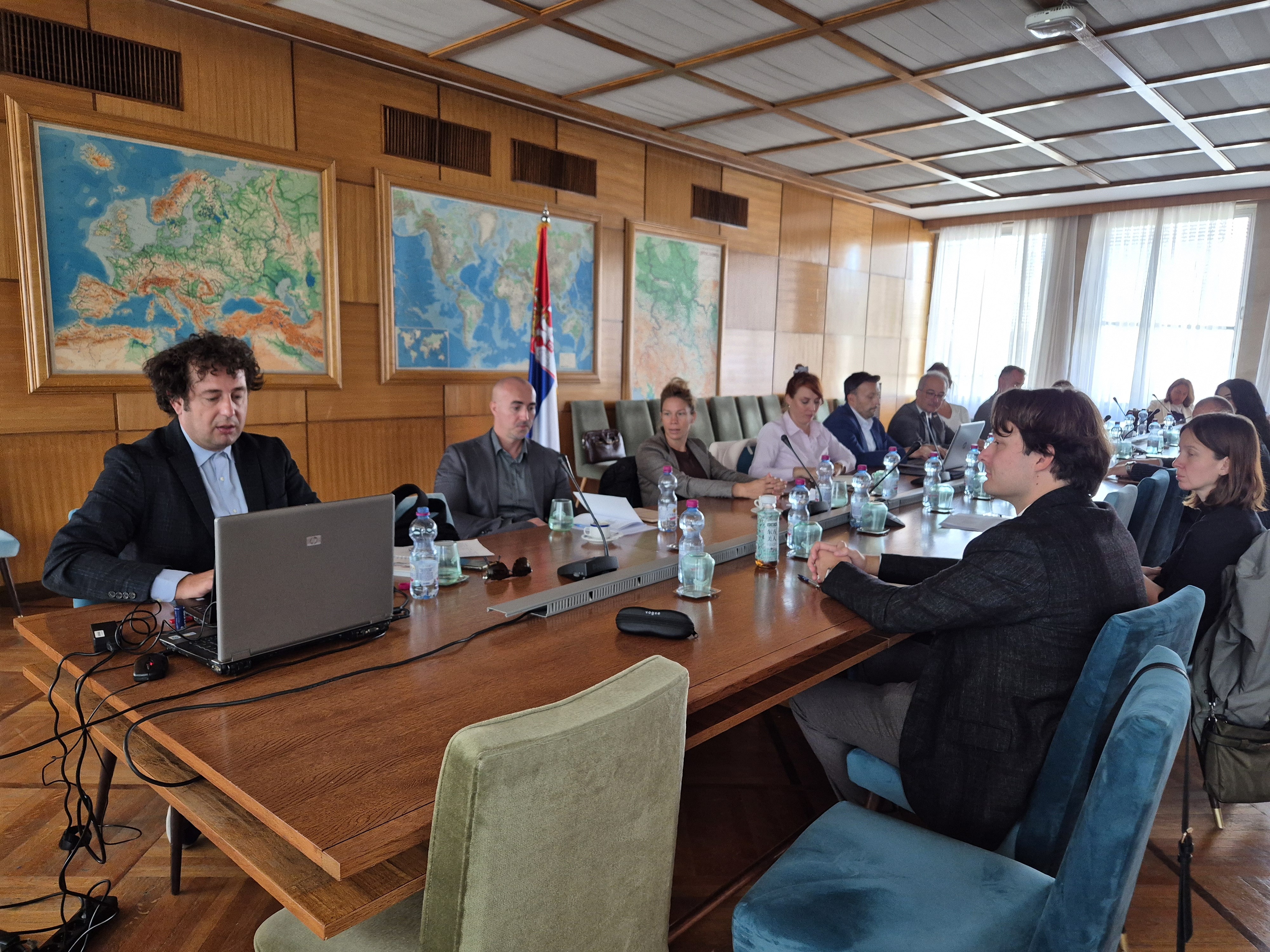
The Regulatory Authority for Electronic Media (REM) and the Council of Europe jointly presented the findings of a comprehensive survey of the needs, habits and preferences of media users in Serbia to the Standing Expert Working Group on Media Literacy, consisting of representatives from the public sector.
The presentation, held on 23 September 2026, provided new empirical data for discussion on how media literacy initiatives can better respond to the ways citizens access, select, and evaluate information. At the same time, the exchange of views with members of the Standing Working Group was an opportunity to discuss the value of empirically obtained data for the purpose of developing policies and activities in the field of media literacy in Serbia.
The survey of the needs, habits, and perception of media users in Serbia, conducted with the support of the Council of Europe, examined how citizens of Serbia use various media and platforms, what influences their choice of information sources, how they assess trust and reliability, and how different media consumption patterns can affect their exposure to disinformation and other forms of harmful content.
During the joint presentation, representatives of REM and the Council of Europe pointed to findings indicating an increasingly fragmented media environment, where information consumption patterns vary significantly depending on age and other socio-demographic characteristics. Television continues to play an important role in reaching a broad audience, while social networks and digital platforms are particularly prevalent among younger users. At the same time, trust is often selective: citizens may express limited trust in the media environment as a whole, while simultaneously having significantly higher trust in specific media outlets, journalists, or sources they regularly follow.
The presentation particularly highlighted the significance of these findings for media literacy. Exposure to disinformation cannot be understood solely through the analysis of produced content. Equally important are the ways users access information, which sources they choose, why they trust them, whether they verify information from multiple sources, and how digital platforms shape their information environment.
The Report on the Needs of Media Service Users is available in English and Serbian.
The survey was conducted as part of the project Protecting Freedom of Expression and of the Media in Serbia (PROFREX), implemented by the Division for Cooperation on Freedom of Expression under the joint European Union and Council of Europe programme Horizontal Facility for the Western Balkans and Turkiye.